Free resources from a hospice social worker. No ads. No login.
No one tells you what dying looks like.
What helps before, during, and after someone dies.
Help Finder
What’s happening now?
Pick the closest match. Each one gives you a next step.
Something Feels Unsafe
Danger, harm, scams, or someone missing.
Serious Illness and Dying
Getting sicker, new symptoms, hospice, or care that isn’t working.
Someone Died
The first hours, days, and weeks after a death.
Medical Decisions and What Matters
Hard choices, disagreements, or not knowing their wishes.
Caregiving Is Getting Harder
More care than you can give, dementia, or finding a facility.
Money and Everyday Needs
Bills, food, housing, medications, or rides to care.
Planning, Forms, and Legal Help
Advance directives, who speaks for you, and legal help.
Veterans and Military Families
VA care, benefits, hospice, and burial.
The Order of Help
Start close to home.
No single place handles everything. Start with the help closest to you, then widen the circle.
Articles
Longer reads for when you have a little more time.
When Someone Is Dying
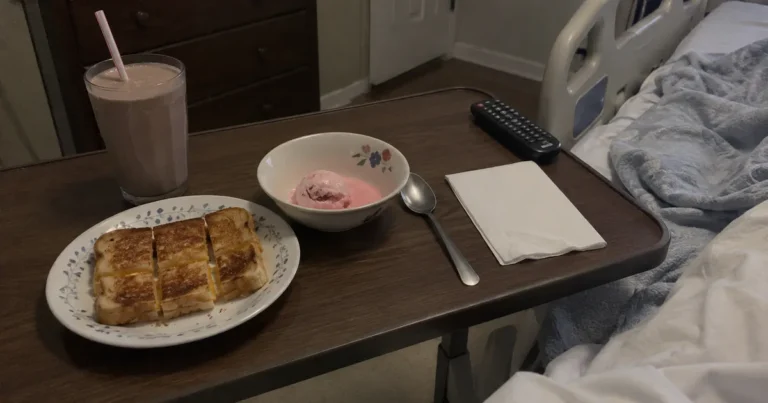
When Eating Stops
When a dying person stops eating, families fear starvation. Why appetite fades near the end, what’s safe to offer, and how to think about feeding tubes.
The Rest of Us
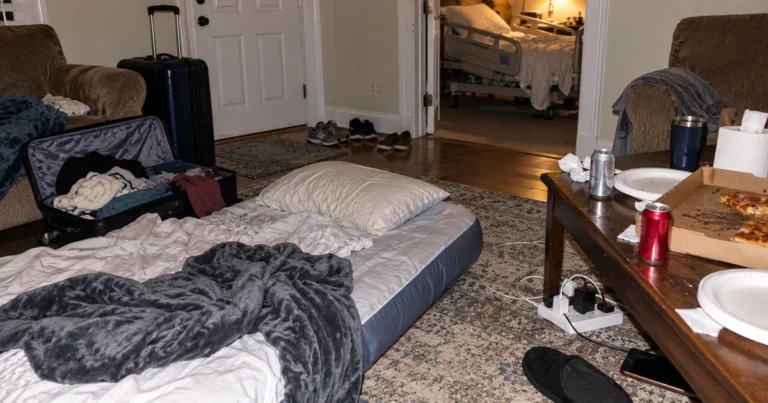
When Family History Comes to the Bedside
Family conflict at the end of life often follows old roles. How to bring arguments back to the actual care, and who decides when the family can’t agree.
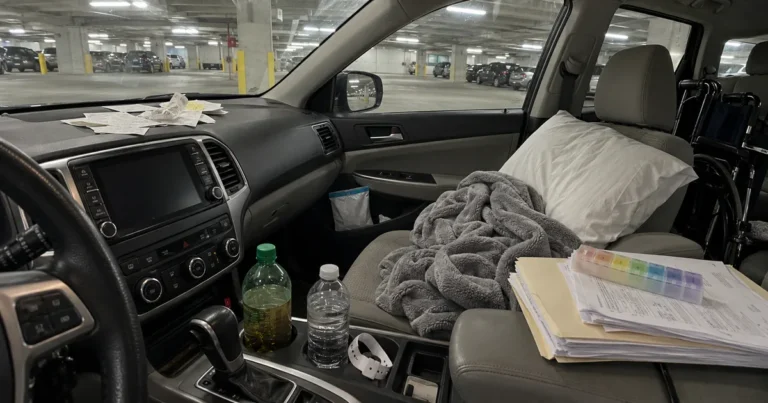
Decisions That Shape Dying
When Treatment No Longer Fits
When to stop treatment is rarely one moment. Questions to ask the doctor, how to weigh what treatment costs, and why stopping treatment isn’t stopping care.
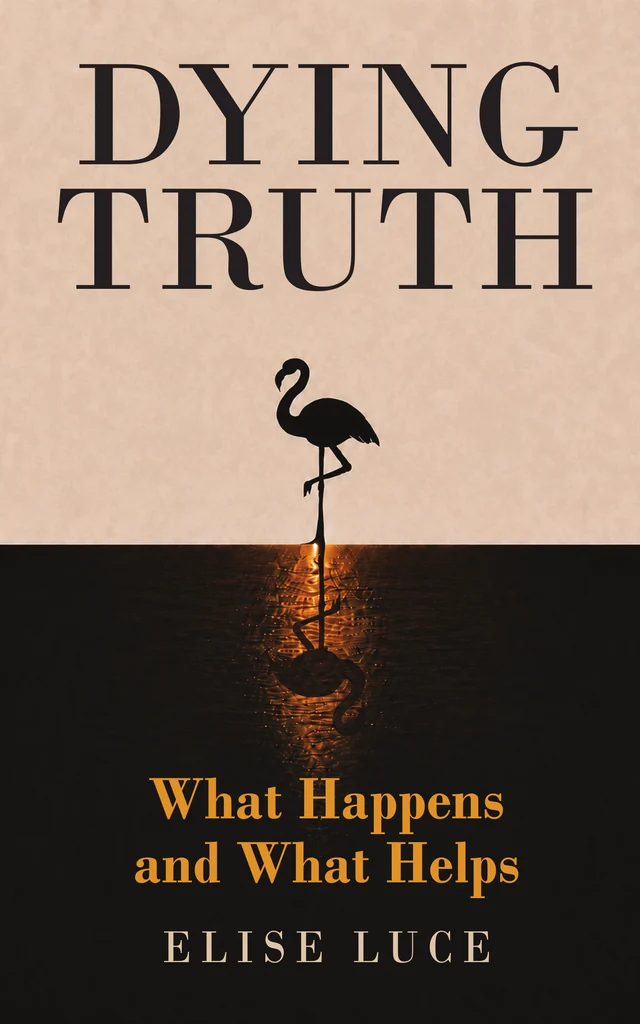
The Book
Seven deaths, counting down.
“Burn me up and put me in something fabulous.”
Patsy, the first of seven
Some follow plans. Some wear people down. Some leave no good choices. One will look like yours.